Unlearning Bad Nutrition Advice: Debunking Common Myths for a Healthier South Africa
For years, we’ve been bombarded with conflicting nutrition advice, leading to widespread confusion about what constitutes a healthy diet. It’s time to set the record straight by debunking some of the most pervasive nutrition myths that have influenced our eating habits in South Africa. Let’s embark on a journey to unlearn these misconceptions and embrace a more informed approach to nutrition.
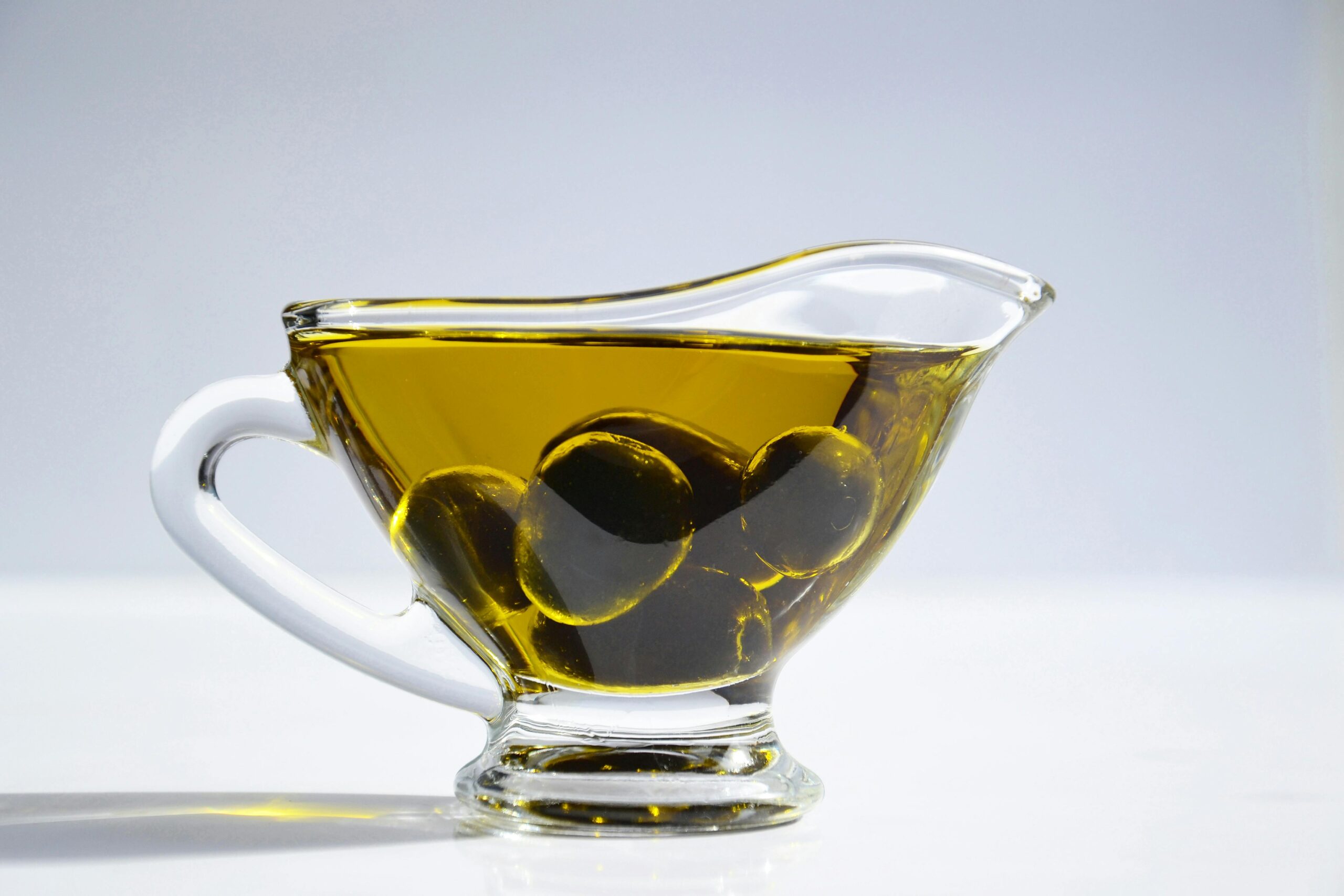
The notion that all fats are detrimental to our health has been deeply ingrained in our collective consciousness. However, not all fats are created equal. While trans fats and excessive saturated fats can be harmful, unsaturated fats, found in foods like avocados, nuts, and olive oil are essential for our body’s functions. These healthy fats support cell growth, protect our organs, and help in nutrient absorption. In fact, some low-fat or fat-free products may have added sugars or salts to compensate for the reduced fat content, potentially making them less healthy than their full-fat counterparts.
Myth 2: Carbohydrates Are the Enemy
Carbohydrates have often been vilified as the main culprits behind weight gain. However, carbs are a primary energy source for our bodies. The key lies in choosing the right type of carbohydrates. Whole grains, fruits, and vegetables provide complex carbohydrates that release energy slowly, keeping us satiated and energized. On the other hand, simple carbs, found in sugary snacks and refined grains, can lead to energy spikes and crashes. It’s essential to differentiate between these to maintain a balanced diet.
Get in Touch
Myth 3: Skipping Breakfast Aids Weight Loss
It is arguable that skipping breakfast can help reduce calorie intake and promote weight loss. According to asics.com, studies have shown that individuals who regularly consume a healthy breakfast tend to have better weight management outcomes than those who skip it. Then there are individuals who follow a natural approach, believing that consuming herb or infused drinks on an empty stomach in the morning, followed by a light meal later can aid in weight loss and provide essential nutrients. These lifestyle habits can be effective for different individuals based on their unique needs and preferences.
Myth 4: Gluten-Free Diets Are Healthier for Everyone
Affinityhealth.co.za mentions that the rise of gluten-free diets has led many to assume they’re a healthier choice for all. However, unless you have celiac disease or gluten sensitivity, there’s no inherent benefit to avoiding gluten. In fact, gluten-free products can sometimes lack essential nutrients and may have added sugars or fats to enhance flavor. It’s crucial to make dietary choices based on individual health needs rather than following trends.
Myth 5: Fresh Produce Is Always More Nutritious Than Frozen or Canned
There’s a common belief that fresh fruits and vegetables are superior in nutritional value compared to their frozen or canned counterparts. However, produce that’s frozen or canned immediately after harvest can retain most of its nutrients, sometimes even more than fresh produce that’s traveled long distances and sat on shelves. This means that frozen or canned options can be just as nutritious and are often more affordable and convenient.
Embracing Evidence-Based Nutrition
It’s essential to base our dietary choices on scientific evidence rather than popular myths. As diverse as South Africa is, there are indigenous practices that produce nutritious food and beverages that are impactful and play a huge role in the country and the continent. By understanding the nuances of nutrition, we can make informed decisions that promote health and well-being. We believe there is no outdated belief and we just need to modernize and scientifically test food and beverages, and embrace a balanced, individualized approach to eating.
Join the Conversation
What nutrition myths have you encountered? How have they influenced your dietary choices? Share your experiences and thoughts. Let’s foster a community where we learn from each other and promote healthier lifestyles.
Disclaimer: This blog post on WELLNESS LAB is for informational purposes only and should not replace professional medical advice. Always consult with a healthcare provider or registered dietitian before making significant changes to your diet.