Is Protein Only Found in Meat? We Bust the Myth and Explore Plant-Based Protein Sources
For years, the narrative has been clear: if you want to build muscle, stay strong, or simply meet your daily protein needs, you must eat meat. But is this really true? Today Wellness Lab challenges this long-standing belief and explore the power of plant-based protein sources, especially within South African.
Protein is essential for cell repair, muscle growth, and overall body function. But contrary to popular belief, protein isn’t exclusive to animal products. Many plant-based foods provide complete and high-quality proteins, making them just as effective in supporting a balanced and healthy lifestyle.
Get in Touch
Plant-Based Protein Powerhouses
South Africa is home to diverse plant-based foods that can meet and exceed daily protein requirements. Here are some of the best plant-based protein sources readily available in Mzansi:
Lentils & Legumes (18g protein per cup)
Found in dishes like samp & beans or dhal, lentils provide protein, fiber, and iron.
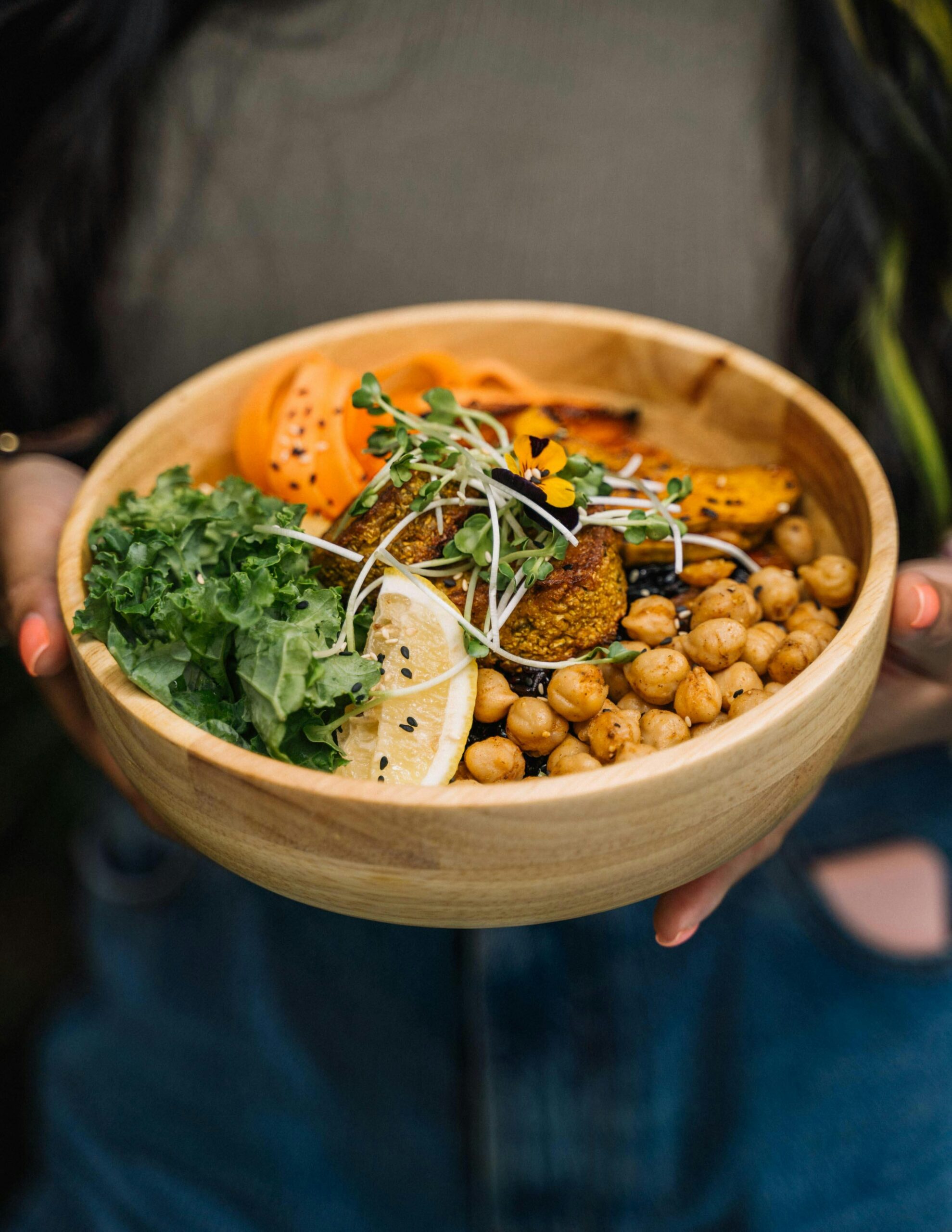
2. Chickpeas & Hummus (15g protein per cup)
Whether in a curry or as a creamy dip, chickpeas are protein-packed and incredibly versatile.
3. Amaranth & Quinoa (8g protein per cup)
These ancient grains, once a staple for African communities, contain all nine essential amino acids, making them a complete protein source.
4. Soybeans, Tofu & Tempeh (20g protein per cup)
Used in everything from plant-based yoghurts (like ours!) to high-protein meat substitutes, soy is a nutrient-dense alternative.
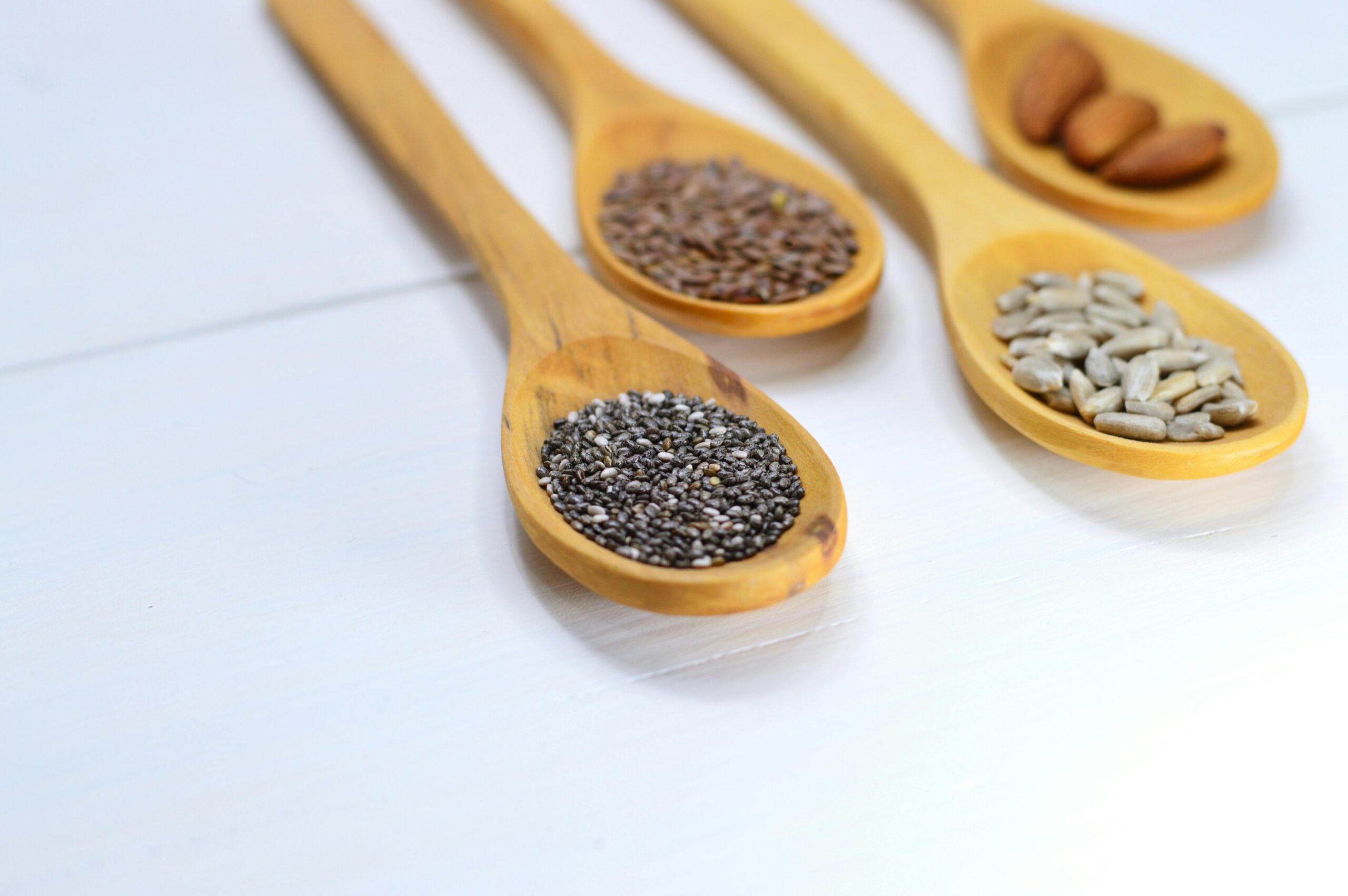
5. Pumpkin Seeds, Chia & Hemp Seeds (Up to 30g protein per 100g)
These super seeds not only add crunch and flavor to meals but also provide omega-3s and essential minerals.
But... Is Plant Protein Complete?
A common argument against plant-based protein is that it lacks certain essential amino acids. While some plant foods may not contain all nine amino acids individually, a well-balanced plant-based diet naturally combines different foods to ensure complete nutrition. Think rice & beans, hummus & whole-wheat pita, or a Well N Well almond yoghurt with chia and oats!
With climate change, rising food costs, and increasing health concerns such as obesity and heart disease, adopting a plant-forward diet isn’t just ethical, it’s also smart. Plant-based proteins are:
✔ More sustainable: They require less water and land than meat production. ✔ Healthier: Lower in cholesterol and saturated fats, reducing risks of chronic diseases. ✔ Affordable: Legumes and grains are budget-friendly protein sources.
The Challenge: Try a Meat-Free Protein Swap
Mzansi, let’s get real: Are you getting enough plant-based protein? We challenge you to swap one meat-based meal for a fully plant-powered dish this week! Share your experience with us using #WellnessLabSA and let’s create a buzz around sustainable eating..
Try It Now!
Curious to explore? Visit our www.wellnwell.co.za/shop-online page for plant-based nourishing awesomeness!
Disclaimer: This blog post on WELLNESS LAB is for informational purposes only and should not replace professional medical advice. Always consult with a healthcare provider or registered dietitian before making significant changes to your diet.